
Blog
- Home
- Blog

- By Taha Industries
- 0 Comments
Vertical Centrifugal Pumps: Advanced Industrial Pumping Solutions for 2025
In the evolving industrial world, space-saving equipment, energy-efficient machinery, and low-maintenance systems are no longer optional—they are essential. Among all industrial pumping technologies, Vertical Centrifugal Pumps have rapidly become one of the most dependable solutions for handling liquids in constrained or deep-well environments.
From chemical plants to water treatment facilities, vertical centrifugal pumps deliver a unique combination of high efficiency, safe operation, minimal footprint, and long service life. As industries adopt smarter, sustainability-first technologies in 2025, these pumps stand out as an essential part of the transition.
At Taha Industries, we design vertical centrifugal pumps engineered for durability, corrosion resistance, energy efficiency, and consistent performance even in extreme operating conditions.
What Are Vertical Centrifugal Pumps?
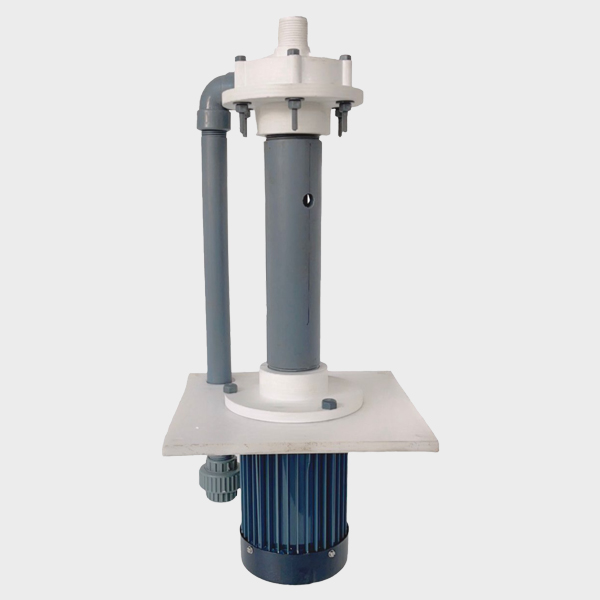
A Vertical Centrifugal Pumps is an industrial pump designed with a vertically oriented shaft and motor. Unlike horizontal pumps, these pumps sit upright, allowing them to be installed in tight spaces, pits, tanks, or wells where horizontal pumps cannot fit.
How They Work :
The working principle is based on centrifugal force:
- The pump’s impeller rotates at high speed.
- The rotation pushes fluid outward from the center to the edges.
- Pressure builds up, creating continuous fluid flow.
- Liquid is lifted vertically from deep or narrow areas.
This design allows efficient pumping even when the liquid source is below the floor level—a common requirement in industrial environments.
Where Vertical Centrifugal Pumps Are Used :
These pumps are widely used across industries where vertical installation or deep-lift pumping is necessary.
Common Applications :
- Chemical & petrochemical plants
- Cooling tower circulation
- Effluent & wastewater treatment plants
- Boiler feed systems
- Industrial RO & filtration plants
- Firefighting systems
- Transfer of corrosive, abrasive, or hot liquids
- Underground tank liquid extraction
- Mining & slurry handling (when configured)
Taha Industries manufactures vertical centrifugal pumps optimized for chemical resistance, sanitation needs, and long operational cycles, ensuring safety and reliability across all use cases.
Key Benefits of Using Vertical Centrifugal Pumps :
Vertical centrifugal pumps offer several performance and operational advantages over conventional pump types. Below are the major benefits:
One of the biggest advantages is the ability to operate in compact environments. The vertical orientation requires minimal floor space, making it ideal for congested industrial setups.
The pump’s streamlined hydraulic design allows higher flow rates with lower energy usage. For industries, this translates to reduced operating costs and improved sustainability metrics.
These pumps excel at drawing fluids from deep tanks, pits, or underground reservoirs—tasks that are challenging for horizontal pumps.
Taha Industries builds its pumps using SS316, duplex alloys, and chemical-grade materials, making them ideal for corrosive fluids.
Because the motor remains above the liquid, issues like seal failures, overheating, or motor corrosion are drastically minimized.
Engineered with minimal moving parts and robust internal components, vertical centrifugal pumps often last years longer than other pump types.
These pumps can be customized for:
High temperature liquids
High viscosity fluids
Chemical compatibility
Slurry applications
Sanitization systems
Silent operation
How to Use Taha Industries’ Vertical Centrifugal Pumps :
To ensure the highest performance, Taha Industries recommends the following usage guidelines:
Improper alignment can cause vibration, inefficiency, and premature wear.
The pump’s suction end should be deep enough to prevent air intake and cavitation.
Undersized pipes create pressure loss and overload the pump.
This protects the motor from sudden torque and stabilizes initial flow.
Vertical centrifugal pumps handle heat well, but excessive temperature may indicate blockage, friction, or misuse.
Maintenance Guide: Keeping Your Vertical Centrifugal Pump at Peak Performance :
Regular maintenance is essential to maximize pump reliability and performance.
Here’s a simple but effective maintenance routine designed by Taha Industries pump engineers:
Lubricate or replace them based on operating hours. Bearings are critical for smooth vertical rotation.
Deposits or foreign particles reduce efficiency. Cleaning prevents imbalance and vibration.
If you hear rattling sounds or see inconsistent flow, your pump might be sucking air. Fix liquid depth or remove clogs immediately.
Even a 1–2 mm misalignment can drastically reduce efficiency.
Seals protect the pump from leaks and contamination.
Especially important if pumping corrosive chemicals, slurry, or debris-heavy liquids.
If the motor draws extra current, there may be:
Product buildup
Bearing wear
Flow blockage
Impeller damage
Taha Industries provides post-installation support, maintenance guidance, and replacement parts to ensure long-term productivity.
Why Choose Taha Industries Vertical Centrifugal Pumps?
Taha Industries stands apart due to:
- Taha Industries stands apart due to:
- High-grade materials like SS316 & chemical-resistant alloys
- Reduced vibration & noise design
- Energy-efficient impellers
- Custom build options for your industry
- Longer lifespan & lower operating cost
- Trusted expertise and real-world implementation experience
With decades of experience and modern manufacturing capabilities, we design pumps that not only meet global standards but also exceed user expectations.
Vertical centrifugal pumps have become a necessity for modern industries aiming for space efficiency, reliability, energy savings, and long service life. With correct usage, proper maintenance, and high-quality engineering from Taha Industries, these pumps can operate smoothly for years—even in challenging conditions.
As industries evolve toward automated, sustainable, and safety-focused operations in 2025, investing in high-performance pumping solutions is more valuable than ever.
Read More: Vertical Centrifugal Pumps – The Smart Solution for Efficient Fluid Handling | Taha Industries
FAQs :
A Vertical Centrifugal Pump is an industrial pump designed with a vertical shaft and impeller system, commonly used in chemical processing, water treatment, cooling towers, and industrial fluid transfer applications.
These pumps use a rotating impeller to convert mechanical energy into fluid pressure, pushing liquid upward through a vertical casing. This design offers high efficiency in handling large volumes.
Benefits include space-saving installation, excellent hydraulic efficiency, lower NPSH requirement, easy motor access, low maintenance, and reliable performance in continuous operation.
Industries such as chemical manufacturing, pharmaceuticals, water treatment, food processing, oil & gas, power plants, and HVAC commonly use these pumps.
Consider flow rate, head requirements, fluid type, temperature, construction materials (SS316, CI, PP), motor power, and the operating environment. Taha Industries helps customers select the right model based on actual working conditions.
They are typically manufactured in stainless steel, cast iron, engineered plastics (PP/PVDF), and alloy materials to handle corrosive or abrasive fluids.
Regularly check alignment, lubrication, vibrations, impeller wear, seal condition, and casing corrosion. Scheduled servicing improves pump life and prevents breakdowns.
Yes. When constructed with resistant materials like SS316 or PP/PVDF, they safely handle corrosive fluids, chemicals, and aggressive liquids used in many processing industries.
Vertical pumps save space, are ideal for deep pit or tank applications, and provide easy motor maintenance. Horizontal pumps are used when accessibility and larger installation space are available.
Taha Industries provides high-quality, engineered pumps with durable materials, precision balancing, high efficiency, and expert after-sales support. Each pump is tested for performance, reliability, and industrial safety standards.
